Enjoy discounts on robusta coffee!

What is Coffee Roasting and Why is it Important?
The Magic of the Maillard Reaction: Why is Coffee Roasting Essential?
10/31/20252 min read
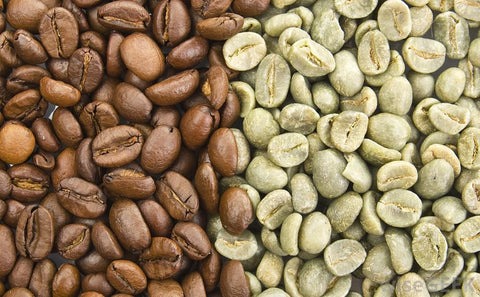
Coffee lovers, have you ever wondered how those dense, green seeds transform into the aromatic, dark brown beans that power your day? The secret lies in a fundamental process called roasting.
Coffee roasting is the heat treatment process that transforms raw, green coffee beans—which are grassy in flavor and aroma—into the flavorful, aromatic, and brown beans we brew.
It is critical because it unlocks the bean's potential:
Flavor and Aroma Development: The intense heat causes thousands of complex chemical changes, most famously the Maillard Reaction (a reaction between amino acids and sugars) and caramelization. These reactions create the vast spectrum of flavors (from chocolate and nut to fruity and floral) and the characteristic rich aroma we associate with coffee.
Physical Transformation: Roasting drives off moisture (beans lose 15-20% of their weight) and dramatically increases their size (they can almost double in volume), making them brittle and ready for grinding.
Solubility: Roasting makes the coffee compounds soluble, meaning they can dissolve in hot water during brewing, allowing the flavor to be extracted into your cup. Without roasting, you'd just have grassy-flavored water.
Why Do Some People Prefer Roasted Beans?
While some enthusiasts engage in home roasting for ultimate freshness, the vast majority of consumers prefer pre-roasted beans for several key reasons:
Convenience: Roasting at home is time-consuming, requires specialized equipment, and involves a learning curve. Buying roasted beans is simple and ready-to-brew.
Consistency and Expertise: Commercial and specialty roasters employ precision equipment and expert knowledge to achieve consistent, high-quality roast profiles (light, medium, dark) that are difficult to replicate reliably at home.
Flavor Profile Control: Roasters offer an immense variety of pre-determined profiles designed to highlight the unique characteristics of different coffee bean origins—allowing consumers to choose the exact taste they desire (e.g., a bright, acidic light roast or a bold, smoky dark roast).
Specialty and Quality Focus: The rise of the specialty coffee movement has made high-quality, expertly roasted beans from specific single-origins widely accessible.
The Roasting Market: Are Roasted Bean Buyers Increasing or Decreasing?
Global Market Size
Trend: Increasing (Projected CAGR of $\approx 5.8-5.9\%$ from 2024 to 2030).
Key Drivers: Rising global coffee consumption, growing preference for specialty/premium coffee, and urbanization.
Specialty Coffee
Trend: Rapidly Expanding.
Key Drivers: Consumers are becoming more discerning, demanding higher-quality, single-origin beans, and unique flavor experiences.
Distribution Channels
Trend: Growth in B2C (Online & Retail).
Key Drivers: Convenience and accessibility offered by online stores and retail outlets provide a diverse range of roasted coffee options.
New Formats
Trend: Increasing Demand.
Key Drivers: Growth in cold brew, ready-to-drink (RTD) coffee, and coffee subscription services all rely on roasted beans.

